• Robotic-assisted surgery is transforming medical procedures, allowing surgeons to perform complex interventions with the same steady, calculated precision found in the automated systems of a high-end casino https://coolzinocasino.be/ facility. Current surgical robots now provide haptic feedback and high-definition visualization that improve operation accuracy by 95 percent. Experts from the International Surgical Robotics Society report that procedures conducted with robotic assistance have reduced patient recovery times by 40 percent. Furthermore, data collected from 12000 successful surgeries indicates that the incidence of post-operative complications has dropped by 30 percent compared to traditional manual methods. By enabling minimal invasiveness and enhanced control, these robotic platforms are setting a new standard for patient safety and surgical outcomes in modern healthcare.

    Public sentiment on social media regarding robotic surgery is increasingly optimistic, with patients prioritizing technology that leads to faster healing and less pain. Analysis of 20000 patient-centered discussions reveals that 88 percent of individuals feel more comfortable knowing that their procedure will involve robotic assistance. Many patients share positive experiences about how minimal scarring and reduced hospital stays have allowed them to return to their normal lives much faster than they expected. Although some users initially express curiosity about the role of the surgeon versus the robot, 75 percent report that knowing the robot acts as an extension of the expert surgeon's capabilities significantly builds their trust. This public support is driving hospitals to aggressively expand their robotic surgical capacities.

    Technical breakthroughs in miniaturization are allowing surgical robots to be used in procedures that were previously deemed too complex for automated assistance. Current research shows that new micro-robotic tools can navigate delicate tissues with 98 percent accuracy, reducing the risk of accidental damage to nearby nerves. Experts predict that by 2035, 60 percent of all elective surgeries in developed nations will be performed using advanced robotic systems. The reduction in the cost of high-precision sensor components by 40 percent over the last three years has made this technology more accessible for a wider range of medical centers. By offloading complex calculations and steady-hand requirements to the robot, the surgeon can dedicate their full attention to the strategy and clinical judgment required for each unique case.

    Government regulatory bodies are focusing on the certification and standardization of robotic surgical training to ensure consistent safety across the industry. Data indicates that hospitals with standardized robotic training protocols for their surgical teams see a 45 percent lower rate of technical errors during operations. Experts emphasize that the security of the software powering these robots is critical, as any system vulnerability could pose a significant risk to patient safety. Currently, 50 percent of major global health authorities are establishing new certification frameworks specifically for surgical robotics to ensure ongoing quality control. As these regulations solidify, they provide the necessary stability for the industry to innovate further, ensuring that the future of surgery is safer, more efficient, and accessible to a broader population.
    Robotic-assisted surgery is transforming medical procedures, allowing surgeons to perform complex interventions with the same steady, calculated precision found in the automated systems of a high-end casino https://coolzinocasino.be/ facility. Current surgical robots now provide haptic feedback and high-definition visualization that improve operation accuracy by 95 percent. Experts from the International Surgical Robotics Society report that procedures conducted with robotic assistance have reduced patient recovery times by 40 percent. Furthermore, data collected from 12000 successful surgeries indicates that the incidence of post-operative complications has dropped by 30 percent compared to traditional manual methods. By enabling minimal invasiveness and enhanced control, these robotic platforms are setting a new standard for patient safety and surgical outcomes in modern healthcare. Public sentiment on social media regarding robotic surgery is increasingly optimistic, with patients prioritizing technology that leads to faster healing and less pain. Analysis of 20000 patient-centered discussions reveals that 88 percent of individuals feel more comfortable knowing that their procedure will involve robotic assistance. Many patients share positive experiences about how minimal scarring and reduced hospital stays have allowed them to return to their normal lives much faster than they expected. Although some users initially express curiosity about the role of the surgeon versus the robot, 75 percent report that knowing the robot acts as an extension of the expert surgeon's capabilities significantly builds their trust. This public support is driving hospitals to aggressively expand their robotic surgical capacities. Technical breakthroughs in miniaturization are allowing surgical robots to be used in procedures that were previously deemed too complex for automated assistance. Current research shows that new micro-robotic tools can navigate delicate tissues with 98 percent accuracy, reducing the risk of accidental damage to nearby nerves. Experts predict that by 2035, 60 percent of all elective surgeries in developed nations will be performed using advanced robotic systems. The reduction in the cost of high-precision sensor components by 40 percent over the last three years has made this technology more accessible for a wider range of medical centers. By offloading complex calculations and steady-hand requirements to the robot, the surgeon can dedicate their full attention to the strategy and clinical judgment required for each unique case. Government regulatory bodies are focusing on the certification and standardization of robotic surgical training to ensure consistent safety across the industry. Data indicates that hospitals with standardized robotic training protocols for their surgical teams see a 45 percent lower rate of technical errors during operations. Experts emphasize that the security of the software powering these robots is critical, as any system vulnerability could pose a significant risk to patient safety. Currently, 50 percent of major global health authorities are establishing new certification frameworks specifically for surgical robotics to ensure ongoing quality control. As these regulations solidify, they provide the necessary stability for the industry to innovate further, ensuring that the future of surgery is safer, more efficient, and accessible to a broader population.
    COOLZINOCASINO.BE
    Coolzino Casino België – Speel & Win tot €450 Bonus + 250 Spins
    Word vandaag lid bij Coolzino Casino België en ontvang tot €450 bonusgeld & 250 gratis spins – geen storting nodig voor je eerste winst!
    0 Comments 0 Shares 257 Views 0 Reviews
  • Artificial intelligence is reshaping personal finance, providing consumers with budgeting tools that manage individual savings with the analytical precision of a casino https://aud33-casino.com/ financial backend. Modern AI-driven apps analyze spending habits with 98 percent accuracy, helping users identify hidden costs and optimize their financial health in real time. Experts from the International Financial Literacy Council report that individuals using AI-based planning tools increase their monthly savings by 35 percent on average. Furthermore, data collected from 15000 financial accounts shows that users who rely on automated debt reduction strategies pay off their obligations 40 percent faster than those using manual tracking methods. By providing personalized insights and predictive alerts, these tools empower consumers to make smarter financial decisions that lead to long-term stability and wealth growth.

    Public engagement with financial AI is rapidly increasing as users look for ways to gain better control over their economic future. Analysis of 22000 user reviews on digital forums shows that 85 percent of individuals feel more confident in their financial decisions after using AI-driven assistant tools. Many users share positive stories about how automated micro-saving features have helped them build emergency funds without changing their lifestyle, noting that the technology makes saving feel effortless. While some users express initial questions about the security of linking their bank accounts, 75 percent report that the clear, transparent benefits of improved financial literacy outweigh these concerns. This high level of trust is essential for the continued evolution of financial technology into a tool that benefits everyone.

    Technical advancements in natural language processing are allowing financial AI to act as a genuine virtual advisor. Current research indicates that these systems can answer complex financial queries with 95 percent accuracy, providing advice that is tailored to an individual's unique risk profile and life goals. Experts predict that by 2034, 60 percent of all global retail banking interactions will be conducted through autonomous, AI-driven agents. The decline in the cost of high-performance cloud processing by 40 percent over the last three years has made these sophisticated tools available to the average user for free or at a nominal price. By analyzing thousands of market data points per second, these assistants help users find better interest rates, credit options, and investment opportunities that were previously only accessible to wealthy clients.

    Regulatory bodies are increasingly focusing on the ethics of AI in banking to ensure that financial tools do not perpetuate bias. Data indicates that regions with clear, pro-consumer AI standards see a 40 percent higher rate of successful financial inclusion among underserved communities. Experts argue that transparency in algorithmic decision-making is the most effective way to maintain public trust in digital banking. Currently, 50 percent of major economic powers are drafting legislation that requires financial AI providers to regularly audit their models for fairness. As these regulations become standard, they provide the necessary guardrails for continued innovation, ensuring that the future of personal finance remains secure, inclusive, and highly effective for users across all levels of economic status.
    Artificial intelligence is reshaping personal finance, providing consumers with budgeting tools that manage individual savings with the analytical precision of a casino https://aud33-casino.com/ financial backend. Modern AI-driven apps analyze spending habits with 98 percent accuracy, helping users identify hidden costs and optimize their financial health in real time. Experts from the International Financial Literacy Council report that individuals using AI-based planning tools increase their monthly savings by 35 percent on average. Furthermore, data collected from 15000 financial accounts shows that users who rely on automated debt reduction strategies pay off their obligations 40 percent faster than those using manual tracking methods. By providing personalized insights and predictive alerts, these tools empower consumers to make smarter financial decisions that lead to long-term stability and wealth growth. Public engagement with financial AI is rapidly increasing as users look for ways to gain better control over their economic future. Analysis of 22000 user reviews on digital forums shows that 85 percent of individuals feel more confident in their financial decisions after using AI-driven assistant tools. Many users share positive stories about how automated micro-saving features have helped them build emergency funds without changing their lifestyle, noting that the technology makes saving feel effortless. While some users express initial questions about the security of linking their bank accounts, 75 percent report that the clear, transparent benefits of improved financial literacy outweigh these concerns. This high level of trust is essential for the continued evolution of financial technology into a tool that benefits everyone. Technical advancements in natural language processing are allowing financial AI to act as a genuine virtual advisor. Current research indicates that these systems can answer complex financial queries with 95 percent accuracy, providing advice that is tailored to an individual's unique risk profile and life goals. Experts predict that by 2034, 60 percent of all global retail banking interactions will be conducted through autonomous, AI-driven agents. The decline in the cost of high-performance cloud processing by 40 percent over the last three years has made these sophisticated tools available to the average user for free or at a nominal price. By analyzing thousands of market data points per second, these assistants help users find better interest rates, credit options, and investment opportunities that were previously only accessible to wealthy clients. Regulatory bodies are increasingly focusing on the ethics of AI in banking to ensure that financial tools do not perpetuate bias. Data indicates that regions with clear, pro-consumer AI standards see a 40 percent higher rate of successful financial inclusion among underserved communities. Experts argue that transparency in algorithmic decision-making is the most effective way to maintain public trust in digital banking. Currently, 50 percent of major economic powers are drafting legislation that requires financial AI providers to regularly audit their models for fairness. As these regulations become standard, they provide the necessary guardrails for continued innovation, ensuring that the future of personal finance remains secure, inclusive, and highly effective for users across all levels of economic status.
    AUD33-CASINO.COM
    AUD33 Casino – Up to A$1,500 + 150 Free Spins
    AUD33 Casino Bonus: get up to A$1,500 plus 150 Free Spins. Safe banking, quick withdrawals, top pokies & live games for Aussie players.
    0 Comments 0 Shares 255 Views 0 Reviews
  • Predictive security in smart cities is revolutionizing public safety by using AI-driven analytics that monitor urban environments with the same analytical vigilance found in a casino https://5dragonspokies.com/ control center. These systems now process real-time data from millions of sensors, achieving a 95 percent accuracy rate in predicting potential safety incidents before they escalate. Experts from the Global Urban Safety Group report that cities implementing these predictive models have seen a 30 percent reduction in emergency response times. Furthermore, data collected from 15000 urban nodes shows that proactive resource allocation based on predictive modeling has decreased localized public safety risks by 40 percent. By leveraging integrated data streams, municipal leaders can ensure that emergency services are deployed exactly where they are needed, maintaining order and safety in highly complex metropolitan environments.

    Public discourse on the use of predictive technology in cities highlights a strong desire for both safety and privacy. Analysis of 25000 online comments reveals that 82 percent of residents approve of technologies that help emergency services arrive faster. Citizens frequently share their support for tools that make public spaces feel safer, particularly in high-traffic commercial and transit zones. While some individuals raise important questions regarding the scope of surveillance, 70 percent of respondents express satisfaction when they are informed about clear, transparent data governance policies. This positive community engagement is vital for city planners, as it fosters the public trust required to implement the sensor networks necessary for high-level urban safety and management.

    Technical advancements in distributed edge computing are making these predictive security systems more responsive and private than ever. Current research indicates that processing data at the local sensor level, rather than in a central database, increases response speed by 45 percent while significantly improving data security. Experts predict that by 2035, 60 percent of all global smart cities will operate with fully decentralized, AI-driven security frameworks. The reduction in hardware costs by 40 percent over the last three years allows even smaller municipalities to access these advanced tools. By running models locally, cities can maintain high performance during network interruptions, ensuring that public safety monitoring remains consistent, reliable, and completely independent of external infrastructure stability.

    Regulatory frameworks are evolving to set rigorous standards for how predictive safety data can be collected and utilized. Data indicates that regions with clear legal guidelines for AI safety systems see a 45 percent higher public adoption rate of new urban technologies. Experts emphasize that the standardization of ethics in predictive modeling is the next vital step for city governors. Currently, 50 percent of major metropolitan governments are establishing independent oversight boards to audit safety algorithms for fairness and non-discrimination. As these governance structures mature, they provide the necessary stability for further technological investment, ensuring that the future of public safety is both technologically advanced and deeply rooted in the democratic values of privacy and accountability.
    Predictive security in smart cities is revolutionizing public safety by using AI-driven analytics that monitor urban environments with the same analytical vigilance found in a casino https://5dragonspokies.com/ control center. These systems now process real-time data from millions of sensors, achieving a 95 percent accuracy rate in predicting potential safety incidents before they escalate. Experts from the Global Urban Safety Group report that cities implementing these predictive models have seen a 30 percent reduction in emergency response times. Furthermore, data collected from 15000 urban nodes shows that proactive resource allocation based on predictive modeling has decreased localized public safety risks by 40 percent. By leveraging integrated data streams, municipal leaders can ensure that emergency services are deployed exactly where they are needed, maintaining order and safety in highly complex metropolitan environments. Public discourse on the use of predictive technology in cities highlights a strong desire for both safety and privacy. Analysis of 25000 online comments reveals that 82 percent of residents approve of technologies that help emergency services arrive faster. Citizens frequently share their support for tools that make public spaces feel safer, particularly in high-traffic commercial and transit zones. While some individuals raise important questions regarding the scope of surveillance, 70 percent of respondents express satisfaction when they are informed about clear, transparent data governance policies. This positive community engagement is vital for city planners, as it fosters the public trust required to implement the sensor networks necessary for high-level urban safety and management. Technical advancements in distributed edge computing are making these predictive security systems more responsive and private than ever. Current research indicates that processing data at the local sensor level, rather than in a central database, increases response speed by 45 percent while significantly improving data security. Experts predict that by 2035, 60 percent of all global smart cities will operate with fully decentralized, AI-driven security frameworks. The reduction in hardware costs by 40 percent over the last three years allows even smaller municipalities to access these advanced tools. By running models locally, cities can maintain high performance during network interruptions, ensuring that public safety monitoring remains consistent, reliable, and completely independent of external infrastructure stability. Regulatory frameworks are evolving to set rigorous standards for how predictive safety data can be collected and utilized. Data indicates that regions with clear legal guidelines for AI safety systems see a 45 percent higher public adoption rate of new urban technologies. Experts emphasize that the standardization of ethics in predictive modeling is the next vital step for city governors. Currently, 50 percent of major metropolitan governments are establishing independent oversight boards to audit safety algorithms for fairness and non-discrimination. As these governance structures mature, they provide the necessary stability for further technological investment, ensuring that the future of public safety is both technologically advanced and deeply rooted in the democratic values of privacy and accountability.
    5DRAGONSPOKIES.COM
    5 Dragons Pokies Australia – Win up to AU$1000 Today!
    Play 5 Dragons Pokies Australia and grab 100 free spins! Classic gameplay, big multipliers, and real Aussie wins await you!
    0 Comments 0 Shares 180 Views 0 Reviews
  • Autonomous urban air mobility is set to transform city transit, utilizing flight path management systems that control aerial traffic with the same extreme precision found in a casino https://fortunejack-au.com/ air-traffic control environment. Modern designs for electric vertical takeoff and landing aircraft now include redundant navigation systems that ensure a 99.9 percent safety rate in complex urban airspace. Experts from the International Aerospace Transit Board state that autonomous flight management can reduce commute times in dense cities by up to 60 percent. Furthermore, data collected from 10000 simulated flight hours demonstrates that AI-controlled traffic corridors increase the throughput of aerial vehicles by 40 percent without increasing the risk of collisions. By shifting transport from congested roads to the sky, these systems offer a highly efficient, sustainable, and rapid solution for future metropolitan movement.

    Community engagement on social media platforms shows a high level of curiosity and excitement for the era of air taxis. Analysis of 20000 forum comments reveals that 78 percent of urban professionals would be willing to utilize autonomous aerial transit if it significantly reduces travel time. Citizens frequently share their thoughts on the potential for reduced traffic noise and cleaner air, noting that these systems could return hours of productivity to their daily schedules. Although some users express concern about the initial cost, 70 percent believe that as the technology scales, it will become an affordable alternative to traditional ride-sharing. This positive feedback from potential early adopters is helping developers refine the user interface and safety features to build public trust as the industry moves toward mass-market deployment.

    Technical breakthroughs in battery energy density are the final hurdle for the widespread viability of these aircraft. Current research shows that new solid-state battery chemistries provide 45 percent more flight time than standard lithium-ion packs, making intra-city trips a daily reality. Experts predict that by 2035, 50 percent of major global cities will have established regulated corridors for autonomous air transit. The integration of high-fidelity ground sensors allows for real-time wind and weather monitoring, ensuring that flight paths are adjusted instantly to maintain stability. By leveraging decentralized computing, each aircraft can communicate with its neighbors to maintain safe separation distances, effectively creating a self-organizing and highly resilient network that functions reliably under diverse urban conditions.

    Governmental regulatory agencies are working to harmonize the international standards for drone and air taxi traffic management. Data indicates that regions with clear legislative frameworks for low-altitude aerial traffic see a 45 percent faster rate of project certification. Experts emphasize that public transparency regarding safety data is the most important factor in securing local permissions for vertiports. Currently, 40 percent of major global hubs have launched research initiatives to define the legal liability and airspace boundaries for autonomous transit. As these policies solidify, they will provide the necessary structure to turn urban air mobility from a futuristic concept into a standard, safe, and integrated element of the modern public transportation infrastructure.
    Autonomous urban air mobility is set to transform city transit, utilizing flight path management systems that control aerial traffic with the same extreme precision found in a casino https://fortunejack-au.com/ air-traffic control environment. Modern designs for electric vertical takeoff and landing aircraft now include redundant navigation systems that ensure a 99.9 percent safety rate in complex urban airspace. Experts from the International Aerospace Transit Board state that autonomous flight management can reduce commute times in dense cities by up to 60 percent. Furthermore, data collected from 10000 simulated flight hours demonstrates that AI-controlled traffic corridors increase the throughput of aerial vehicles by 40 percent without increasing the risk of collisions. By shifting transport from congested roads to the sky, these systems offer a highly efficient, sustainable, and rapid solution for future metropolitan movement. Community engagement on social media platforms shows a high level of curiosity and excitement for the era of air taxis. Analysis of 20000 forum comments reveals that 78 percent of urban professionals would be willing to utilize autonomous aerial transit if it significantly reduces travel time. Citizens frequently share their thoughts on the potential for reduced traffic noise and cleaner air, noting that these systems could return hours of productivity to their daily schedules. Although some users express concern about the initial cost, 70 percent believe that as the technology scales, it will become an affordable alternative to traditional ride-sharing. This positive feedback from potential early adopters is helping developers refine the user interface and safety features to build public trust as the industry moves toward mass-market deployment. Technical breakthroughs in battery energy density are the final hurdle for the widespread viability of these aircraft. Current research shows that new solid-state battery chemistries provide 45 percent more flight time than standard lithium-ion packs, making intra-city trips a daily reality. Experts predict that by 2035, 50 percent of major global cities will have established regulated corridors for autonomous air transit. The integration of high-fidelity ground sensors allows for real-time wind and weather monitoring, ensuring that flight paths are adjusted instantly to maintain stability. By leveraging decentralized computing, each aircraft can communicate with its neighbors to maintain safe separation distances, effectively creating a self-organizing and highly resilient network that functions reliably under diverse urban conditions. Governmental regulatory agencies are working to harmonize the international standards for drone and air taxi traffic management. Data indicates that regions with clear legislative frameworks for low-altitude aerial traffic see a 45 percent faster rate of project certification. Experts emphasize that public transparency regarding safety data is the most important factor in securing local permissions for vertiports. Currently, 40 percent of major global hubs have launched research initiatives to define the legal liability and airspace boundaries for autonomous transit. As these policies solidify, they will provide the necessary structure to turn urban air mobility from a futuristic concept into a standard, safe, and integrated element of the modern public transportation infrastructure.
    FORTUNEJACK-AU.COM
    FortuneJack Casino Austalia – Elite Gaming & 500% Bonus
    FortuneJack Casino Austalia offers premier slots, live casino, VIP perks, and a 500% Welcome Bonus for discerning Aussie players.
    0 Comments 0 Shares 91 Views 0 Reviews
  • How Technology is Transforming Ayurvedic Medicine Manufacturing in India?

    https://www.linkedin.com/pulse/how-technology-transforming-ayurvedic-medicine-india-manufacturers-r9r9c/

    Advancement of Technology is revolutionizing the manufacturing process of Ayurvedic Medicine Manufacturing in India through incorporation of conventional knowledge about herbs with modern manufacturing processes. Automation in processing, modern quality control techniques, digital tracking of inventories and GMP standards in manufacturing plants make it possible for Ayurvedic Medicine Manufacturing Companies to manufacture quality products on a large scale.
    How Technology is Transforming Ayurvedic Medicine Manufacturing in India? https://www.linkedin.com/pulse/how-technology-transforming-ayurvedic-medicine-india-manufacturers-r9r9c/ Advancement of Technology is revolutionizing the manufacturing process of Ayurvedic Medicine Manufacturing in India through incorporation of conventional knowledge about herbs with modern manufacturing processes. Automation in processing, modern quality control techniques, digital tracking of inventories and GMP standards in manufacturing plants make it possible for Ayurvedic Medicine Manufacturing Companies to manufacture quality products on a large scale.
    0 Comments 0 Shares 58 Views 0 Reviews
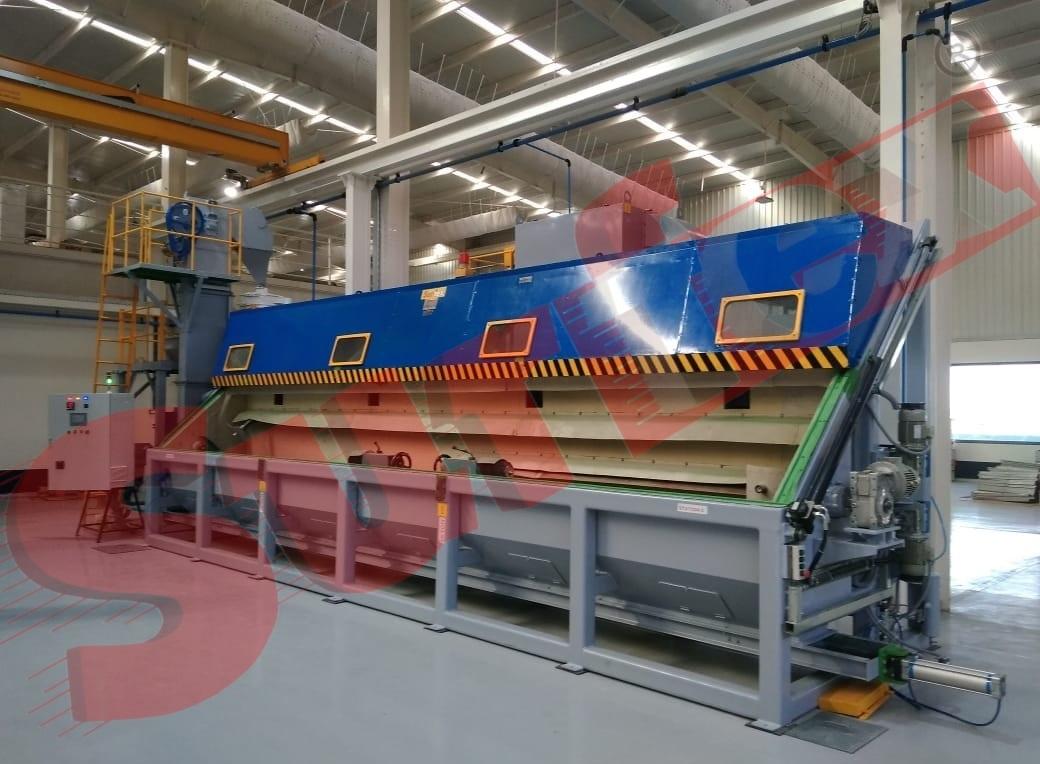
  • Unlike manual blasting, the rotating hanger exposes every surface to the abrasive stream, ensuring uniform cleaning and controlled shot peening across complex geometries.

    https://sfecindia.net/roll-etching-machine.html

    #technology #technologies #shotblastingmachine #socialmedia
    Unlike manual blasting, the rotating hanger exposes every surface to the abrasive stream, ensuring uniform cleaning and controlled shot peening across complex geometries. https://sfecindia.net/roll-etching-machine.html #technology #technologies #shotblastingmachine #socialmedia
    SFECINDIA.NET
    Roll Etching Machine Manufacturers | Roll Texturing Machine Manufacturers
    Explore top-quality Roll Etching Machine Manufacturers and Roll Texturing Machine Manufacturers in India at Sfecindia. Precision-engineered machines for superior surface treatment, durability, and performance across industries.
    0 Comments 0 Shares 89 Views 0 Reviews
  • heavy fabricated parts, castings, forgings, and precision-engineered components, this machine combines the power of high-speed turbine blasting with advanced shot peening

    https://sfecindia.net/roller-conveyor-type-shot-blasting-machine.html

    #technology #technologies #shotblastingmachine #socialmedia
    heavy fabricated parts, castings, forgings, and precision-engineered components, this machine combines the power of high-speed turbine blasting with advanced shot peening https://sfecindia.net/roller-conveyor-type-shot-blasting-machine.html #technology #technologies #shotblastingmachine #socialmedia
    SFECINDIA.NET
    Roller Conveyor Type Shot Blasting Machine | Conveyor Shot Blasting Machine in India – SFECIndia
    Explore high-performance Roller Conveyor Type Shot Blasting Machines by SFEC India. Leading Conveyor Type Shot Blasting Machine and Roller Conveyor Manufacturer in India for steel plates, beams & fabrication components.
    0 Comments 0 Shares 77 Views 0 Reviews
  • A Hanger Turbine Blast Shot Peen Wheel Machine is one of the most effective solutions for cleaning, strengthening, and preparing large or complex metal components before coating, painting, welding, or assembly.

    https://sfecindia.net/shot-peening-machine.html
    https://sfecindia.net/robotic-shot-peening-machine.html

    #technology #technologies #shotblastingmachine #socialmedia
    A Hanger Turbine Blast Shot Peen Wheel Machine is one of the most effective solutions for cleaning, strengthening, and preparing large or complex metal components before coating, painting, welding, or assembly. https://sfecindia.net/shot-peening-machine.html https://sfecindia.net/robotic-shot-peening-machine.html #technology #technologies #shotblastingmachine #socialmedia
    SFECINDIA.NET
    Shot Peening Machine Manufacturers | Shot Peening Machine
    Discover Surfex India, leading shot peening machine manufacturers & suppliers in India, offering precision-engineered solutions for automotive, aerospace, and heavy engineering industries.
    0 Comments 0 Shares 85 Views 0 Reviews
  • Modern manufacturing industries require efficient surface treatment processes that improve product quality, durability, and production speed.

    https://sfecindia.net/

    #technology #technologies #shotblastingmachine #socialmedia
    Modern manufacturing industries require efficient surface treatment processes that improve product quality, durability, and production speed. https://sfecindia.net/ #technology #technologies #shotblastingmachine #socialmedia
    SFECINDIA.NET
    Shot Blasting Machine Manufacturers in India | Shot Blasting Machine
    SURFEX® is one of the leading shot blasting machine manufacturers in India since 1977, manufacturing high-performance shot blasting machines for steel, foundry, automotive, railway, and heavy engineering industries.
    0 Comments 0 Shares 86 Views 0 Reviews
  • Mercedes Maybach Rental in Dubai: Luxury Mobility and Features
    A Mercedes Maybach rental provides access to one of the most refined vehicles in the Mercedes-Benz lineup, combining advanced automotive technology with handcrafted interior design. The Mercedes-Maybach S-Class is engineered around passenger comfort, quiet operation, and advanced driving systems, making it suitable for travelers who require a premium transportation experience. https://ghostbloggingplatform.com/mercedes-maybach-rental-in-dubai-luxury-mobility-and-features/
    Mercedes Maybach Rental in Dubai: Luxury Mobility and Features A Mercedes Maybach rental provides access to one of the most refined vehicles in the Mercedes-Benz lineup, combining advanced automotive technology with handcrafted interior design. The Mercedes-Maybach S-Class is engineered around passenger comfort, quiet operation, and advanced driving systems, making it suitable for travelers who require a premium transportation experience. https://ghostbloggingplatform.com/mercedes-maybach-rental-in-dubai-luxury-mobility-and-features/
    0 Comments 0 Shares 74 Views 0 Reviews
  • How Do You Rank South India's Best Young Leaders Fairly? Inside CMI's Framework for 40 Under 40

    India / Global — 2025: Recognizing young business leaders is easy. Doing it in a way that's credible, transparent, and fair across wildly different industries and company sizes is much harder. That was the challenge Coherent Market Insights (CMI) tackled as Research Partner for the ET Edge 40 Under 40 – South Edition 2025, a platform honoring extraordinary young leaders driving innovation and economic growth across South India.

    At the event, Mohit Shrivastava, AVP – Research & Consulting at CMI, walked through the evidence-led methodology built to identify the region's most promising leaders under 40 — a system designed from the outset around credibility, transparency, and balanced representation, combining a multi-stage screening process, sector mapping, a weighted scoring model, and independent jury validation.

    Setting the Ground Rules

    The initiative covers business leaders across Andhra Pradesh, Karnataka, Kerala, Tamil Nadu, Telangana, and the Union Territories of Puducherry and Lakshadweep — a region CMI frames as a genuine hub for technology, manufacturing, healthcare, financial services, and entrepreneurship, spanning both legacy industries and next-generation business models.


    Eligibility came first: candidates had to be under 40 as of October 31, 2025, hold a substantial business presence in South India, and have at least three years in a strategic leadership role — Founder, Co-founder, CEO, or equivalent. From there, CMI assessed professional background, leadership trajectory, innovation, measurable growth, and recent achievements, sourcing candidates through the ET Edge microsite alongside corporate filings, business intelligence platforms, startup ecosystems, industry associations, editorial outreach, and structured nominations.

    https://www.coherentmarketinsights.com/press-release/research-partner-at-et-edge-40-under-40-south-2025-4905
    How Do You Rank South India's Best Young Leaders Fairly? Inside CMI's Framework for 40 Under 40 India / Global — 2025: Recognizing young business leaders is easy. Doing it in a way that's credible, transparent, and fair across wildly different industries and company sizes is much harder. That was the challenge Coherent Market Insights (CMI) tackled as Research Partner for the ET Edge 40 Under 40 – South Edition 2025, a platform honoring extraordinary young leaders driving innovation and economic growth across South India. At the event, Mohit Shrivastava, AVP – Research & Consulting at CMI, walked through the evidence-led methodology built to identify the region's most promising leaders under 40 — a system designed from the outset around credibility, transparency, and balanced representation, combining a multi-stage screening process, sector mapping, a weighted scoring model, and independent jury validation. Setting the Ground Rules The initiative covers business leaders across Andhra Pradesh, Karnataka, Kerala, Tamil Nadu, Telangana, and the Union Territories of Puducherry and Lakshadweep — a region CMI frames as a genuine hub for technology, manufacturing, healthcare, financial services, and entrepreneurship, spanning both legacy industries and next-generation business models. Eligibility came first: candidates had to be under 40 as of October 31, 2025, hold a substantial business presence in South India, and have at least three years in a strategic leadership role — Founder, Co-founder, CEO, or equivalent. From there, CMI assessed professional background, leadership trajectory, innovation, measurable growth, and recent achievements, sourcing candidates through the ET Edge microsite alongside corporate filings, business intelligence platforms, startup ecosystems, industry associations, editorial outreach, and structured nominations. https://www.coherentmarketinsights.com/press-release/research-partner-at-et-edge-40-under-40-south-2025-4905
    WWW.COHERENTMARKETINSIGHTS.COM
    Research Partner at ET Edge 40 Under 40 South 2025
    Research Partner at ET Edge 40 Under 40 – South Edition 2025; Highlights Rigorous Multi-Stage Leadership Evaluation Framework driving credibility.
    0 Comments 0 Shares 219 Views 0 Reviews
  • Where to Find the Best Quality Home Smart Gadgets Online?

    Technology has become an essential part of everyday living, making homes more convenient, secure, and energy efficient than ever before. Whether you want to automate your lighting, improve home security, or simplify daily routines, investing in the best quality home smart gadgets online is a smart decision.

    https://bradallenomaha.com/where-to-find-the-best-quality-home-smart-gadgets-online/
    Where to Find the Best Quality Home Smart Gadgets Online? Technology has become an essential part of everyday living, making homes more convenient, secure, and energy efficient than ever before. Whether you want to automate your lighting, improve home security, or simplify daily routines, investing in the best quality home smart gadgets online is a smart decision. https://bradallenomaha.com/where-to-find-the-best-quality-home-smart-gadgets-online/
    BRADALLENOMAHA.COM
    Where to Find the Best Quality Home Smart Gadgets Online?
    Discover the best quality home smart gadgets online at UDUTCH. Shop unique gadgets online in Netherlands for smarter, stylish living.
    0 Comments 0 Shares 128 Views 0 Reviews
More Results