Why I Still Don’t Own a Car in Dubai (And How I Commute Daily on a Budget)
Every time I tell someone in Dubai that I don’t own a car, they pause for a second… then ask “How?”
The assumption is simple: Dubai equals cars. Big roads, fast lanes, long distances. And yes, if you follow the crowd blindly, a car feels inevitable.
But after living and working here, I realized something important owning a car is convenient, not compulsory. What is compulsory is understanding how the city actually moves.
This article isn’t theory. It’s how I commute daily in Dubai without a car, keep my costs low, and still reach work on time — without losing my sanity.
The Car Trap Most New Commuters Fall Into
When I first arrived, I almost leased a car within the first month.
Everyone around me was doing it:
Colleagues complained about buses
Friends warned me about heat
Social pressure made public transport sound “temporary”
Then I did the math.
Between fuel, parking, Salik, insurance, and maintenance, the monthly cost quietly crossed a line I wasn’t comfortable with. That’s when I decided to test Dubai’s public transport properly — not emotionally, but practically.
The Turning Point: Understanding Dubai’s Transport System
Dubai doesn’t work on a single transport mode. It works on integration.
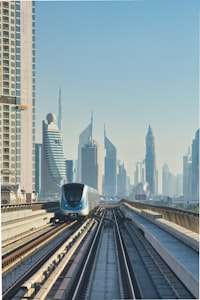
Metro connects long distances
Buses fill the gaps
Trams serve dense areas
Walking handles the last mile
Ride-sharing acts as backup, not default
Once I accepted this logic, everything changed.
My Non-Negotiable Tool: The NOL Card
If you take one thing seriously as a daily commuter, make it this: your NOL card.
I use a Silver NOL card and treat it like my wallet. Metro, bus, tram, even water transport — all tap-in, tap-out. No queues, no ticket confusion.
Before busy weeks, I quickly check my NOL Card Balance so I’m never stuck at gates during rush hour. That one habit saves time, embarrassment, and stress.
Without exaggeration — Dubai public transport does not work smoothly without this card.
Metro First, Always (When Possible)
The Dubai Metro is the reason I don’t own a car.
It’s:
immune to traffic
air-conditioned
predictable
cheaper than any car commute
I plan my living and work decisions around Metro access. When routes get confusing, I rely on the Dubai Metro Map 2026 to understand interchanges, future extensions, and realistic commute options.
If your office is within walking distance of a Metro station, you already have a massive financial advantage whether you realize it or not.
Buses: The Most Misunderstood Budget Tool
I’ll be honest I avoided buses at first. Big mistake.
Dubai buses are clean, air-conditioned, and well-timed. More importantly, they sync with the Metro. Many stations have feeder buses designed specifically for commuters like me.
Here’s the trick most people miss:
If you switch between Metro and bus within the allowed transfer window, you don’t get charged twice.
That’s not luck that’s system design.
The Anti-Traffic Secret: Timing Over Speed
I don’t try to beat traffic.
I avoid it.
Morning rush and evening rush are real, and they affect everything — Metro crowding, bus wait times, ride-sharing prices.
Whenever possible, I adjust my commute slightly:
leaving earlier
returning later
avoiding peak pressure
Off-peak commuting feels like a different city. Quieter, cheaper, calmer.
Sometimes saving money is just about not fighting the system.
Walking Is Part of the Strategy (Not an Afterthought)
Dubai isn’t fully walkable — but parts of it absolutely are.
Downtown, Marina, JBR, Business Bay — I walk short distances instead of booking short rides. Those “small” decisions add up over weeks and months.
Walking also gives flexibility:
no waiting
no fares
no apps
It’s not about fitness. It’s about efficiency.
When I Do Use Ride-Sharing (And Why)
I still use Careem — just intentionally.
Late nights, areas far from Metro lines, or odd routes where buses don’t make sense — that’s where ride-sharing shines. For longer distances, it often beats traditional taxis on price.
The key difference now?
It’s my backup, not my default.
That mindset alone cut my monthly transport spend significantly.
The Cheapest Commute in the City Costs AED 1
Crossing Dubai Creek by Abra might look like a tourist experience — but commuters know better.
For AED 1, I cross water instead of roads, skip traffic, and save time. It’s functional, reliable, and surprisingly peaceful.
Sometimes the oldest systems are the smartest ones.
Budget Commuting Is Also About Daily Habits
Your commute doesn’t end when you reach the office.
I support my low-cost routine by:
eating at food courts or local eateries
avoiding overpriced convenience stops
combining commutes with free attractions
planning routes ahead instead of reacting
These habits support the transport system — not fight it.
What I’ve Learned After Choosing Not to Own a Car
Not owning a car in Dubai taught me something valuable:
The city isn’t expensive by default — unplanned living is.
Public transport here is clean, efficient, and scalable if you respect how it’s designed. Once you stop chasing convenience and start building systems, Dubai becomes surprisingly manageable.
Final Thoughts
You don’t need a car to live or work comfortably in Dubai.
You need:
awareness
planning
flexibility
If you’re someone who enjoys sharing practical, real-world insights like these, platforms that <a href="https://nolcardcheckbalance.co....m/write-for-us/\&quo for Us Dubai</a> actively look for voices with lived experience not recycled advice.
Dubai rewards commuters who think smart, not fast.