Understanding the Technology and Applications of In Vitro Diagnostic Devices
https://www.linamedica.com/new....s/in-vitro-diagnosti
What is In Vitro Diagnostic Device?
In Vitro Diagnostic (IVD) instruments detect human samples (various body fluids, cells, tissue samples, etc.) to obtain clinical diagnostic information externally, thereby determining diseases or bodily functions. Known as the "eyes of doctors" in the medical field, in vitro diagnostic instruments are a crucial part of modern clinical laboratory medicine. The clinical application of IVD device spans the entire process of disease diagnosis and treatment, including disease prevention, initial diagnosis, treatment plan selection, and efficacy evaluation, providing doctors with a large amount of useful clinical diagnostic information, becoming an indispensable part of human disease diagnosis and treatment.
The design and development of in vitro diagnostic instruments, as specialized devices, are based on medical laboratory science and in vitro diagnostic methodologies. With the development of in vitro diagnostic methodologies, detection-related technologies, instrumentation engineering, etc., the design of in vitro diagnostic devices is increasingly refined, gradually reaching advanced levels of high-end medical equipment development. In vitro diagnostics can be categorized into biochemical diagnostics, immunodiagnostics, molecular diagnostics, microbiological diagnostics, hematological diagnostics, and Point-of-Care Testing (POCT). The related technologies include electrochemical technology, spectrometry, chromatography, mass spectrometry, electrophoresis, flow cytometry, labeled immunoassay technologies, molecular biology, and biosensor technology. The in vitro diagnostic instruments are diverse, and their development process generally includes stages such as product project design, product prototype development, product finalization, and product acceptance, with each stage being based on certain rules.
Related Technologies and Applications of In Vitro Diagnostic Devices
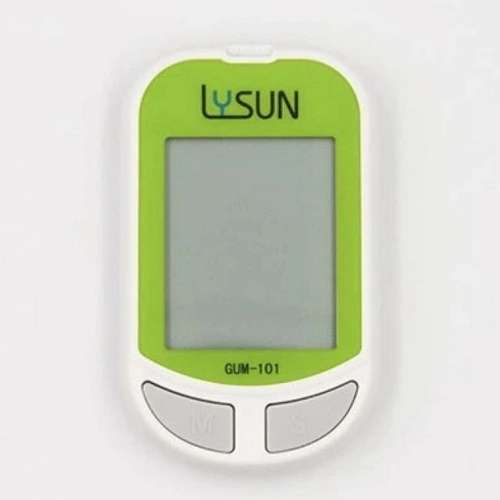
Although there are many types of in vitro diagnostic instruments used in clinical applications, their design and development are always based on the emergence and development of related technologies. In vitro diagnostic devices, such as the hemoglobin test meter, are grounded in clinical and laboratory methodologies, integrating automation technology, optical technology, electronic information technology, biosensor technology, and computer technology, among others, progressively evolving into systematic, engineered modern instruments and equipment to meet the needs of clinical trials and medical services.
Electrochemical Analysis Technology
Electrochemical analysis involves forming a chemical cell from a solution of the substance to be analyzed and converting the concentration of the substance into electrical parameters by measuring variables like potential, current, power, and resistance. Electrochemical analysis can be divided into potentiometric analysis, conductometry, electrolysis, capacitive analysis, voltammetry, and electrochemical biosensor unit technology. Most instruments for electrolyte analysis, blood gas and pH analysis in clinical biochemistry testing are based on electrochemical analysis technology. Electrochemiluminescence Immunoassay (ECLIA) combines the chemiluminescence process induced by electrochemical reactions with immunoreactions. ECLIA has high sensitivity of luminescence detection and high specificity of immunoassay. Electrochemiluminescence automated immunoassay instruments based on ECLIA technology are widely used in clinical immunology tests, including the determination of tumor markers, hormones, enzymes, antigens or antibodies, vitamins, cytokines, and various metabolites.
Spectroscopy Technology
Spectroscopy involves the absorption, emission, or scattering of light of different wavelengths and intensities when it interacts with matter to characterize and quantitatively analyze a substance. According to the method of generating the spectrum, spectroscopy can be classified into three main types: absorption spectroscopy, emission spectroscopy, and scattering spectroscopy. In vitro diagnostic instruments using spectroscopy are relatively simple, easy to operate, and methodically sensitive, thus widely used in clinical testing. Absorption spectra, which are obtained from the selective absorption of radiation energy by molecules or atoms, include ultraviolet-visible spectrophotometry, infrared spectroscopy, and atomic absorption spectrophotometry. Ultraviolet-visible spectrophotometry is mainly used for quantitative checks of substances, such as serum inorganic phosphate. Atomic absorption spectrophotometry is mainly for the analysis of metal elements like zinc, magnesium, and copper in the blood. Emission spectra are produced when molecules, atoms, or ions of a substance absorb external energy and transition from the ground state to a high-energy state and then return to the ground state. Emission spectroscopy involves characterizing substances through quantitative checks using emission spectra. Fluorescence spectrophotometry is more commonly used in clinical testing. For example, it can be used to determine vitamin content. When photons interact with a heterogeneous dielectric, light scattering occurs; measuring the intensity of scattered light provides the content of the analyte. As light passes through the sample, the antigen forms antigen-antibody complexes with its specific antibody, increasing solute particles and scattering intensity proportional to the complex concentration. This scattering intensity change is used to measure antigen content. Automated scattering turbidimetry analyzers, based on this scattering turbidimetry, are widely used in clinics, mainly for measuring protein substances like serum immunoglobulin, C-reactive protein, and trace proteins in urine.